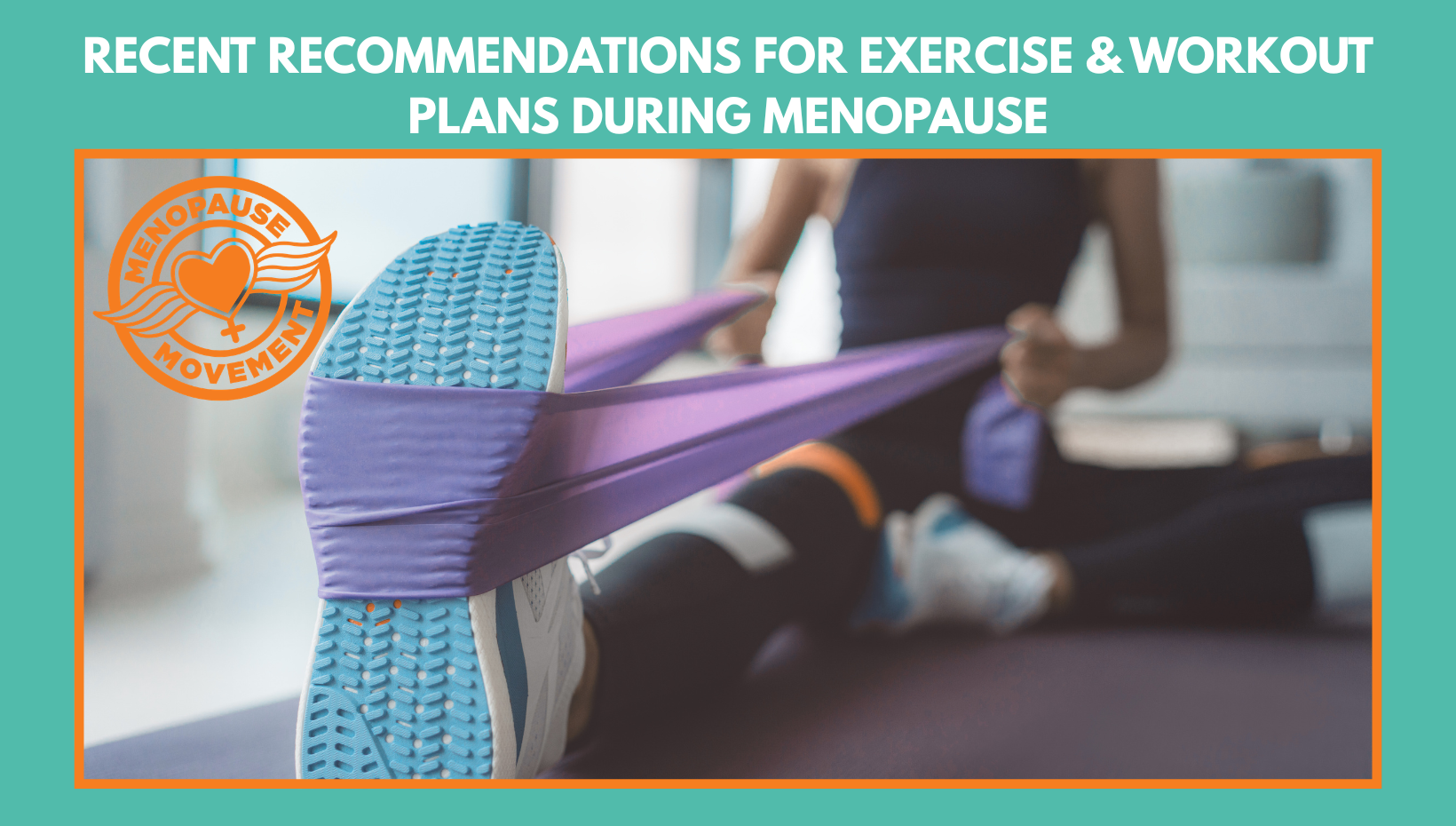
Regular physical activity is a key predictor of health and longevity, and strong muscles provide essential support throughout the menopause transition.

Menopause is a significant life transition, bringing hormonal changes that can affect everything from energy levels and bone health to bladder function and muscle strength. While symptoms such as hot flushes and sleep disruption often dominate conversations, maintaining physical health during menopause is one of the most effective ways to support both immediate wellbeing and long-term health.
Regular physical activity is one of the strongest predictors of health, independence and longevity. Alongside cardiovascular fitness, building and maintaining muscle strength provides essential support throughout the menopause transition. Yet one muscle group is frequently overlooked despite its crucial role in everyday health – the pelvic floor.
Exercise offers a wide range of benefits during perimenopause and menopause, including:
However, for many women, pelvic floor symptoms can become a significant barrier to staying active.
Christien Bird, Chartered Women's Health Physiotherapist and Founding Partner of The Menopause Movement, believes pelvic floor health deserves the same attention as any other muscle group.
"The pelvic floor is often overlooked, yet it is just as important as any other muscle group. Maintaining a strong pelvic floor can be transformational in keeping women strong and active into later life."
The pelvic floor is a highly responsive group of muscles that supports the bladder, bowel and uterus. These muscles play a vital role in:
Like every other muscle in the body, the pelvic floor responds to training and support.
During perimenopause and menopause, declining oestrogen levels affect not only the ovaries but also the bladder, urethra, vaginal tissues and pelvic floor.
These hormonal changes can lead to:
As a result, women may experience symptoms such as:
These symptoms are common, but they should never simply be accepted as an inevitable part of ageing.
The decline in oestrogen creates several structural changes that affect pelvic health:
Combined with natural ageing, previous pregnancies or childbirth, these changes can increase the likelihood of pelvic floor dysfunction.
One of the greatest concerns is that bladder or bowel symptoms often prevent women from exercising at precisely the time when physical activity becomes most important.
Research published on PubMed Central (PMC) found that women who exercise are around three times more likely to experience urinary leakage, yet many reduce or stop exercising instead of seeking treatment.
Christien explains:
"Bowel and bladder problems can become real barriers to exercise. Physical activity is by far the most important predictor of all aspects of health and longevity, and muscles are a woman's best friend going into menopause. We do not want treatable pelvic floor problems to become a barrier."
The encouraging news is that many pelvic floor conditions are highly treatable. Pelvic floor muscle training, physiotherapy and appropriate medical support can make a significant difference.
Despite how common these symptoms are, many women delay seeking help because they feel embarrassed or believe nothing can be done.
Christien sees this regularly in clinical practice:
"When women are given permission to talk about pelvic health, the response is often relief. Simple screening questions and early referral can be life changing."
Seeking support early can help women remain active, confident and independent throughout midlife and beyond.
Looking after your physical wellbeing during menopause isn't simply about exercise; it's about ensuring your body has the strength and support it needs to stay active for decades to come.
Christien also recommends Positive Pause, which provides extensive, high-quality, evidence-based information on symptoms, treatment options and practical strategies to support women through pre-menopause, perimenopause and post-menopause.
For further evidence-based ways to support women navigating menopause at work and in everyday life, have a read of our collaboration article with Allianz, "Menopause and the Workplace: Practical Expert Guidance".
Discover more of Allianz's menopause blogs for further insights, guidance and support.
Pelvic floor symptoms are common during menopause, but they are not something women simply have to "put up with". Maintaining muscle strength, staying physically active and seeking specialist support early can make a profound difference to health, confidence and quality of life.
Menopause is not the end of being active—it is an opportunity to invest in your long-term health. By strengthening every muscle, including the pelvic floor, women can continue to move well, feel strong and enjoy healthier lives long after menopause.
Christien Bird
Chartered Women's Health Physiotherapist and Founding Partner of The Menopause Movement
(July 2026)